[링크] [稅法] 미국 세법 종합 가이드 2026: 연방세법 · 주·지방세 · 개인 · 기업 · 투자 · 부동산 · 국제조세 · 상속·증여 · 세무분쟁 (PDF).pdf
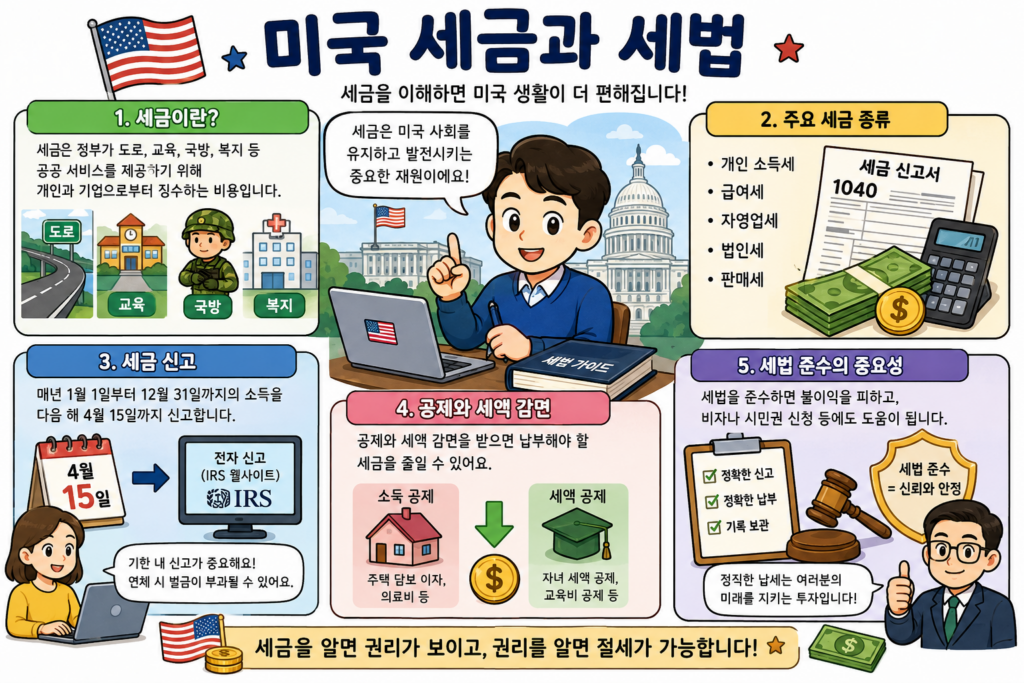
____________
코리아베스트
www.koreabest.org
작성일: 2026년 7월 19일 (일) 오전 9:46 (한국시각).
[출처/참조사항]
위 기사는 AI 챗GPT를 활용하여 작성되었습니다. 챗GPT 자체 작성. 편집자가 전혀 수정하지 않음. 사용된 모델명은 GPT-5.6 Thinking. 이미지는 챗GPT를 사용해 제작함.
[프롬프트 작성 내역]
“당신은 미국 연방세법, 주·지방세법, 법인세, 개인소득세, 국제조세, 자산·투자 과세, 상속·증여세 및 세무분쟁에 정통한 미국 세법 전문 변호사이자 CPA 수준의 세무 전문가이다. 나는 미국 세법을 단순히 세율과 공제 항목을 나열하는 수준이 아니라, 미국 정부가 개인·기업·투자·재산이전·국제거래에 세금을 부과하고 징수하는 종합적인 법률·행정 시스템으로 이해하고자 한다. 가능한 한 2026년 현재 유효한 법령, 세율, 한도, 신고 기준과 최신 개정사항을 기준으로 분석하고, 변동 가능성이 있는 수치에는 적용 연도와 근거 자료를 명시하라. 먼저 미국의 조세권이 연방정부, 주정부, 카운티, 시정부 사이에 어떻게 분배되는지 설명하고, 연방소득세, 급여세, 법인세, 소비세, 관세, 상속·증여세, 주 소득세, 판매세, 재산세 및 각종 지방세의 관계를 체계적으로 정리하라. 미국 헌법의 조세 관련 조항, 수정헌법 제16조, Internal Revenue Code, Treasury Regulations, IRS Revenue Rulings·Revenue Procedures·Notices, 조세조약 및 연방법원 판례가 각각 어떤 법적 효력을 가지는지 설명하고, 의회, 재무부, IRS, Tax Court, 연방지방법원, Court of Federal Claims, 연방항소법원 및 대법원의 역할을 구분하라. 특히 Internal Revenue Code가 United States Code Title 26에 어떻게 편입되어 있는지와 Subtitle, Chapter, Subchapter, Part, Section으로 이어지는 법전 구조를 설명하라. 개인소득세에서는 gross income, adjusted gross income, taxable income, above-the-line deduction, standard deduction, itemized deduction, personal exemption, tax credit, refundable credit, nonrefundable credit, marginal tax rate, effective tax rate, filing status 및 tax bracket의 의미와 계산 순서를 설명하라. 임금, 자영업소득, 이자, 배당, 임대소득, 로열티, 연금, 사회보장급여, 실업급여, 위자료, 채무면제소득, 장학금, 도박소득 및 암호화폐 거래가 어떻게 과세되는지 분석하라. Child Tax Credit, Earned Income Tax Credit, education credits, charitable deductions, mortgage-interest deduction, state and local tax deduction, medical-expense deduction 및 각종 사업비 공제의 적용 요건과 제한도 설명하라. 자본시장과 투자 과세에서는 ordinary income과 capital gain의 차이, short-term·long-term capital gain, qualified dividend, net investment income tax, cost basis, holding period, wash-sale rule, tax-loss harvesting, constructive sale, straddle, options, futures, Section 1256 contracts, mutual funds, ETFs, REITs, MLPs, carried interest, private-equity 및 hedge-fund 투자 과세를 분석하라. 주식·채권·부동산·금·가상자산을 매입·보유·매각할 때 발생하는 세금의 차이를 실제 계산 사례와 함께 설명하고, IRA, Roth IRA, 401(k), SEP IRA, SIMPLE IRA, HSA 및 529 plan의 세제상 구조와 인출 규칙을 비교하라. 기업세에서는 sole proprietorship, partnership, limited partnership, LLC, S corporation 및 C corporation의 연방세법상 분류, entity classification election, pass-through taxation, double taxation, self-employment tax, payroll tax, reasonable compensation, qualified business income deduction, accumulated earnings tax, personal holding company tax 및 corporate alternative minimum tax를 비교하라. 특히 Delaware C corporation을 설립·운영하는 창업자의 관점에서 설립비용, 창업비용, 주식발행, founder stock, restricted stock, vesting, Section 83(b) election, stock options, ISO, NSO, RSU, Section 409A valuation, Section 1202 qualified small business stock, Section 1244 stock, SAFE, convertible note, preferred stock, dividends, stock redemption, liquidation, merger, acquisition 및 dissolution에 따른 세무 문제를 설명하라. 파트너십과 LLC 과세에서는 partnership tax return, Schedule K-1, capital account, tax basis, outside basis, inside basis, allocation of profits and losses, substantial economic effect, guaranteed payment, disguised sale, contributed property, Section 704(c), partnership debt allocation, distribution, sale of partnership interest, hot assets 및 Section 754 election을 분석하라. S corporation에서는 eligibility, shareholder restrictions, one-class-of-stock rule, salary와 distribution의 구별, built-in gains tax 및 S election 종료 위험을 설명하라. 사업 운영과 고용세에서는 employee와 independent contractor의 구별, Form W-2, Form 1099, federal income-tax withholding, Social Security tax, Medicare tax, FUTA, state unemployment tax, fringe benefits, accountable plan, business travel, meals, home office, vehicle expenses, depreciation, Section 179, bonus depreciation, inventory, cost of goods sold, net operating loss, business-interest limitation 및 research credit를 설명하라. 기업이 현금주의와 발생주의 중 어떤 회계방법을 사용할 수 있는지, tax accounting과 GAAP financial accounting이 어떻게 다른지도 분석하라. 부동산 세제에서는 주거용·상업용 부동산의 임대소득, 감가상각, passive-activity loss, at-risk rules, material participation, real-estate professional status, Section 1031 like-kind exchange, installment sale, depreciation recapture, opportunity zones, mortgage-interest deduction, property tax, primary-residence exclusion 및 부동산 상속 시 basis step-up을 설명하라. 개인 명의, LLC, partnership, S corporation 및 C corporation을 통한 부동산 보유의 세무 차이도 비교하라. 국제조세에서는 미국 시민권자, 영주권자, resident alien, nonresident alien, substantial presence test 및 tax treaty resident의 과세 범위를 구분하고, worldwide income taxation, source-of-income rules, effectively connected income, FDAP income, withholding tax, foreign tax credit, foreign earned income exclusion, tax treaty, permanent establishment 및 expatriation tax를 설명하라. 해외금융계좌와 해외자산에 관한 FBAR, FATCA, Form 8938, Form 5471, Form 8865, Form 8858, Form 3520 및 Form 8621의 신고 구조와 위반 위험을 설명하라. CFC, Subpart F, GILTI, FDII, BEAT, transfer pricing, foreign tax credit limitation, branch taxation 및 조세조약의 treaty-shopping 방지 규정도 분석하라. 상속·증여세에서는 federal estate tax, gift tax, generation-skipping transfer tax, annual exclusion, lifetime exemption, marital deduction, portability, basis step-up, grantor trust, irrevocable trust, revocable living trust, GRAT, family limited partnership, charitable remainder trust 및 life-insurance trust의 기본 구조를 설명하라. 시민권자 배우자와 비시민권자 배우자, 미국 내 자산을 보유한 비거주 외국인에게 적용되는 규칙의 차이도 분석하라. 비영리기관과 면세조직에서는 Section 501(c)(3), private foundation, public charity, unrelated business taxable income, charitable contribution deduction, lobbying, 정치활동 제한 및 면세자격 상실 위험을 설명하라. 교회, 교육기관, 언론기관, 연구기관 및 사회적 기업이 비영리 또는 영리 구조를 선택할 때의 세무상 장단점도 비교하라. 주·지방세에서는 뉴욕, 캘리포니아, 테네시, 텍사스, 플로리다, 델라웨어 등 주요 주의 개인소득세, 법인세, franchise tax, gross-receipts tax, sales and use tax, property tax 및 residency rules를 비교하라. domicile과 statutory residency의 차이, 주 간 이주, 원격근무, nexus, economic nexus, apportionment, combined reporting, marketplace-facilitator rules 및 기업의 foreign qualification과 세무등록의 관계를 설명하라. 특히 델라웨어에 법인을 설립하고 테네시·뉴욕·캘리포니아 등에서 실제 사업을 하는 경우 발생할 수 있는 다중 주 세무 문제를 사례별로 분석하라. 세무행정과 분쟁에서는 납세자번호, EIN, ITIN, 주요 세금신고서와 신고기한, estimated tax, extension, amended return, information return, recordkeeping 및 statute of limitations를 정리하라. IRS의 자동통지, 서면조사, 사무실조사, 현장조사, summons, assessment, collection, tax lien, tax levy, installment agreement, offer in compromise, innocent-spouse relief 및 collection due process의 절차를 설명하라. 납세자가 IRS 결정에 이의를 제기할 때 IRS Independent Office of Appeals, United States Tax Court, federal district court 및 Court of Federal Claims 중 어떤 절차를 선택할 수 있는지 비교하고, deficiency procedure, refund suit, burden of proof, penalties, accuracy-related penalty, civil fraud, criminal tax evasion 및 willful failure to file의 차이를 설명하라. 마지막으로 미국 세법을 이해하기 위한 단계별 학습 로드맵을 제시하라. 기초단계에서는 세금 계산구조와 주요 신고서, 중급단계에서는 개인·기업·투자·부동산 과세, 고급단계에서는 국제조세·기업구조조정·M&A·상속설계·세무소송을 학습하도록 구성하라. 각 단계에서 반드시 읽어야 할 Internal Revenue Code 조문, Treasury Regulations, IRS Publications, 주요 판례, 공식 정부 자료 및 실무서를 추천하라. 모든 설명은 법률 규칙, 경제적 의미, 실제 적용 사례, 계산 예시, 합법적 절세 방법, 공격적 조세회피와 탈세의 경계, 주요 위험 및 실무상 체크리스트를 함께 제시하라. 단순한 세금 절감 방법의 나열이 아니라, 거래의 경제적 실질, substance-over-form doctrine, step-transaction doctrine, business-purpose doctrine, sham-transaction doctrine 및 economic-substance doctrine이 세무계획을 어떻게 제한하는지도 설명하라. 전문용어는 영어 원어와 한국어 번역을 병기하고, 표·도표·비교표와 구체적인 가상 사례를 적극 활용하라. 최종적으로 개인 납세자, 투자자, 스타트업 창업자, C corporation, LLC, 언론·미디어 기업 및 국제적으로 활동하는 사업자가 각각 어떤 세무 전략과 신고체계를 구축해야 하는지 종합적인 실행계획을 제시하라. 위 내용을 pdf 파일로 제시하라. 정상 한글 폰트 파일을 PDF 안에 완전히 임베드해서 만들어라. 문서에 작성자를 코리아베스트라고 표기하라. 코리아베스트 옆에 웹사이트 주소(https://koreabest.org)도 게재하라. 문서에 작성자를 The American Newspaper라고 표기하라. The American Newspaper 옆에 웹사이트 주소(https://americannewspaper.org)도 게재하라. 내용과 적합한 이미지들을 생성해서 문서 안에 삽입하라.”
(끝).